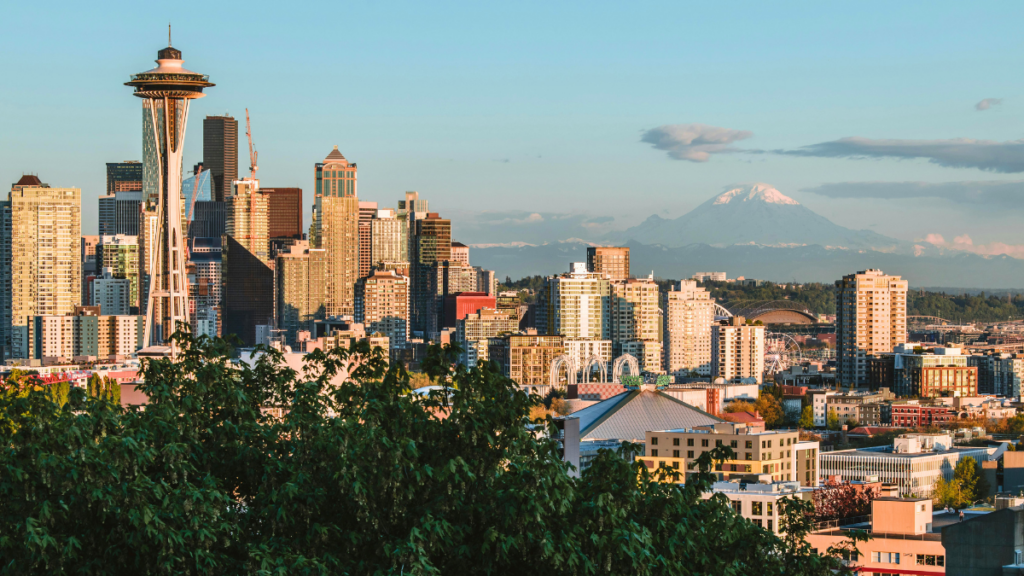
Can Density and Open Space Coexist?
As Seattle continues to grow, one question has become increasingly important: How do we create a more vibrant, livable city while protecting the natural spaces that make our region unique?
Discovery Park offers a powerful example of this ongoing conversation. More than 50 years ago, Seattle leaders and community advocates made the decision to preserve the former Fort Lawton military property as a public park rather than develop the land. Today, Discovery Park stands as a reminder that urban growth and access to nature are not opposing goals, but maintaining that balance requires continued commitment and advocacy.
In an article for Cascade PBS, journalist Knute Berger explored this tension after walking through Discovery Park with former Seattle Mayor Wes Uhlman and landscape architect Peter Ker Walker, one of the authors of the park’s original Master Plan.
Discovery Park: A Victory for Open Space
The creation of Discovery Park was the result of decades of community effort and visionary planning. When Fort Lawton became available after the federal government declared the property surplus in the 1960s and 1970s, Seattle faced a choice: develop the land or preserve it as a large urban wilderness.
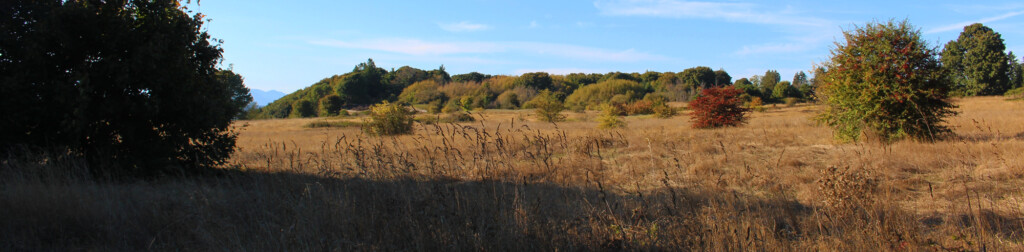
Community members, elected officials, and advocates fought to protect the property as open space. The result was a park unlike any other in Seattle; a place of forests, meadows, beaches, wildlife habitat, and sweeping views of Puget Sound.
Landscape architect Peter Ker Walker emphasized that the purpose of Discovery Park was not simply to create recreational space, but to provide a place where people could experience quiet, solitude, and connection with nature.
Learn more about the history of how Fort Lawton became Discovery Park in our posts “Finally, It’s Fort Lawton Park“ and “Fort Lawton Circa 1930: A Glimpse into Discovery Park’s Past.”
The Challenge of Growth in a Changing City
Seattle’s rapid growth has brought renewed questions about how land should be used. As housing needs increase and available land becomes more limited, open spaces can face pressure from competing priorities.
But the debate isn’t simply about development versus preservation. Urban parks provide benefits that extend far beyond recreation. They support wildlife, improve environmental health, provide opportunities for reflection and connection, and contribute to the overall well-being of communities.
As the original Discovery Park Master Plan recognized, natural spaces within cities serve a unique purpose. They offer residents a place to step away from the pace of urban life and experience landscapes that feel connected to something larger.
Protecting Wild Space for Future Generations
Discovery Park demonstrates that open space is not unused space. Its forests, meadows, shoreline, and habitats support hundreds of species while providing Seattle residents with a rare opportunity to experience nature within city limits.
As Randy Lewis of United Indians of All Tribes shared in the Cascade PBS article:
“Everyone is vying for quality space, but there will be no quality space without wild space.”
– Randy Lewis
Protecting places like Discovery Park requires ongoing stewardship and advocacy. Friends of Discovery Park works to preserve the park’s natural character through restoration, education, and engagement with community conversations about the future of Seattle’s open spaces.
Learn more about our work to protect Discovery Park on our Advocate page.
Stay connected with Friends of Discovery Park news, restoration updates, volunteer opportunities, and advocacy efforts by signing up for our newsletter.